
You’ve booked the spot, your dog’s tail is already doing windmill circles, and now you’re staring at the kitchen counter wondering what needs to go in the bag. Here’s the good news: probably nothing.
Most dog daycares—including ours—don’t recommend packing anything at all. The facility provides everything your dog needs for a safe, fun day. Bringing extra gear actually creates more problems than it solves, especially in a group play environment.
Let’s walk through why less is more, what the rare exceptions look like, and how to set your dog up for a smooth day.
Key Takeaways
- Most dogs don’t need you to pack anything for daycare—the facility handles it.
- Personal items like toys, blankets, and comfort objects aren’t allowed in group daycare because they create possession and resource-guarding issues between dogs.
- Label everything—food, meds, and gear—with your dog’s name and dosing/feeding details.
- The only exceptions are medication your dog needs during the day or food for dogs who are medically required to eat lunch.
- A calm, quick drop-off routine matters more than anything you could put in a bag.
Why We Don’t Recommend Packing for Daycare
It’s natural to want to send your dog off with familiar things—a favorite toy, a cozy blanket, a bag of treats. But in a group daycare setting, personal items introduce problems that outweigh the comfort they’re meant to provide.
Toys, blankets, chews, and other comfort items can trigger resource-guarding behavior. When one dog has something another dog wants, tension builds fast—even among dogs who normally get along. Removing personal belongings from the equation keeps interactions between dogs cleaner and safer for everyone in the room.
Your daycare already has the setup dialed in. Play equipment, rest areas, water, and enrichment are all part of the program. Your dog doesn’t need extras from home to have a great day.
The Exceptions: Medication and Medically Indicated Meals
There are two situations where you will need to bring something:
Medication your dog needs during the day. If your dog takes a pill, supplement, or any other medication that falls during daycare hours, send it along with clear instructions. Label everything with your dog’s name, the medication name, dosage, and timing (e.g., “Carprofen 25 mg — 1 tab at noon with food”). If the pill needs to be hidden in a treat or given with food, note that too. Use waterproof labels or tape and a thick marker—ink that smears is worse than no label at all.
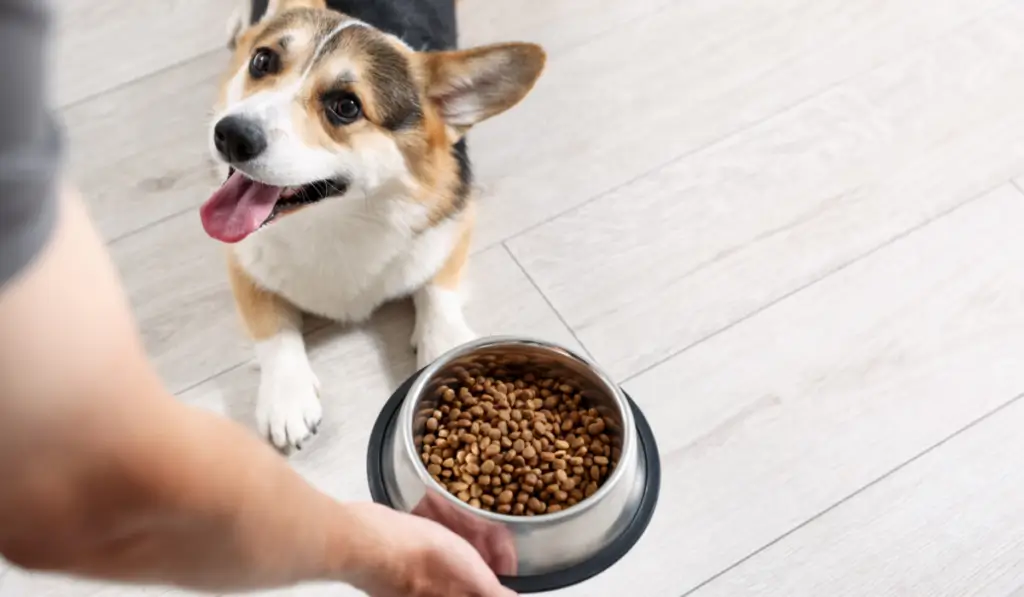
Food for dogs who are medically required to eat lunch. Some dogs need a midday meal for medical reasons—blood sugar management, post-surgical recovery, specific conditions their vet is monitoring. If your dog falls into this category, pre-portion the meal into a sealed, labeled container with your dog’s name and the feeding time. Keep it simple and consistent with what they eat at home—daycare isn’t the day to experiment with new food.
If neither of these applies to your dog, you’re all set. Just show up with your dog on a leash.
Vaccines and Paperwork: What You Need Before Day One
Before your dog’s first day, make sure your vaccine records are up to date and on file with the facility. Group settings like daycare increase exposure to contagious respiratory bugs, so facilities typically require proof of core vaccines and may recommend Bordetella and canine influenza depending on local risk.
The American Veterinary Medical Association notes that Bordetella and flu vaccines are recommended for dogs who frequent places where dogs gather. If you’re unsure which vaccines your dog needs, check with your vet and ask the facility for their specific requirements. Put booster dates in your calendar so you’re not scrambling at renewal time.
Drop-Off: Keep It Calm and Quick
The best thing you can bring to daycare is a smooth handoff. Here’s what that looks like:
Harness and leash on, retractable leash left at home (they’re a tangle risk in busy lobbies). If you have a note for staff—”skipped breakfast” or “took antihistamine at 7:00″—mention it at the desk or write it down. If you’re sending medication or a medical meal, hand it over in a clearly labeled bag.
Keep the goodbye short. Long, emotional exits spike your dog’s arousal without actually helping them settle. Walk in, transfer the leash, say “see you later,” and go. Five minutes is plenty if you’ve got everything sorted beforehand.
If the facility shares daily report cards or photos, use them to learn your dog’s patterns. Do they nap in the second play block? Do they do better in a smaller group? That kind of intel helps you and staff fine-tune the experience over time.
Troubleshooting: When Day One Isn’t Perfect
If your dog seems extra tired after their first day, that’s normal. Group play is mentally and physically demanding, and most dogs crash hard that first evening.
If loose stool shows up after a first day, pause treats, stick to a bland diet, and monitor. If it persists, call your vet. Day-one gut wobble isn’t unusual after excitement, but you want to rule out anything else going on.
If your dog struggles with crate or pen breaks at the facility, practice short rest-and-chew routines at home. The goal is neutrality—your dog doesn’t need to love the crate, just accept it as part of the routine.
If anything medical pops up—coughing, eye discharge, lethargy—report it to the facility immediately and keep your dog home while you consult your vet. Transparent communication protects every dog in the group.
FAQs
Do I need to send food with my dog? Only if your dog is medically required to eat a midday meal (as directed by your vet). Otherwise, the daycare day is structured around play and rest—most dogs do just fine without a packed lunch.
Can I send my dog’s favorite toy or blanket? No. Personal items like toys, blankets, and comfort objects aren’t allowed in group daycare. They create possession and resource-guarding issues between dogs, which compromises safety for the whole group.
What if my dog takes medication during the day? Send it in a labeled container with your dog’s name, the medication name, dosage, and timing. Include any special instructions (e.g., “give with food” or “hide in a treat”).
Do I need to send my own bowl? No. Facilities use their own bowls for hygiene and efficiency. If your dog has a specific medical need (like a slow-feeder), talk to the facility about whether they can accommodate it.
What vaccine records do I need? Expect to provide proof of core vaccines. Depending on local risk and facility policy, Bordetella and canine influenza may also be required. Your vet can advise on timing and which vaccines apply.
How early should I arrive for drop-off? Five minutes is plenty if you’ve prepped at home. Aim for a calm, quick handoff and confirm your pick-up window so you’re not scrambling at the end of the day.
What if my dog seems off after their first day? Tiredness is normal. Loose stool can happen from excitement—monitor it and call your vet if it persists. For any signs of illness (coughing, discharge, lethargy), keep your dog home and contact both the facility and your vet.
Conclusion
The simplest daycare prep is no prep at all. Unless your dog needs medication during the day or is medically required to eat lunch, leave the bags at home. Skip the toys, skip the blankets, skip the treats. Your daycare has everything your dog needs for a safe, engaging day—and fewer personal items in the room means fewer opportunities for conflict between dogs. Focus on a calm drop-off, keep your vaccine records current, and let the staff do what they do best.