
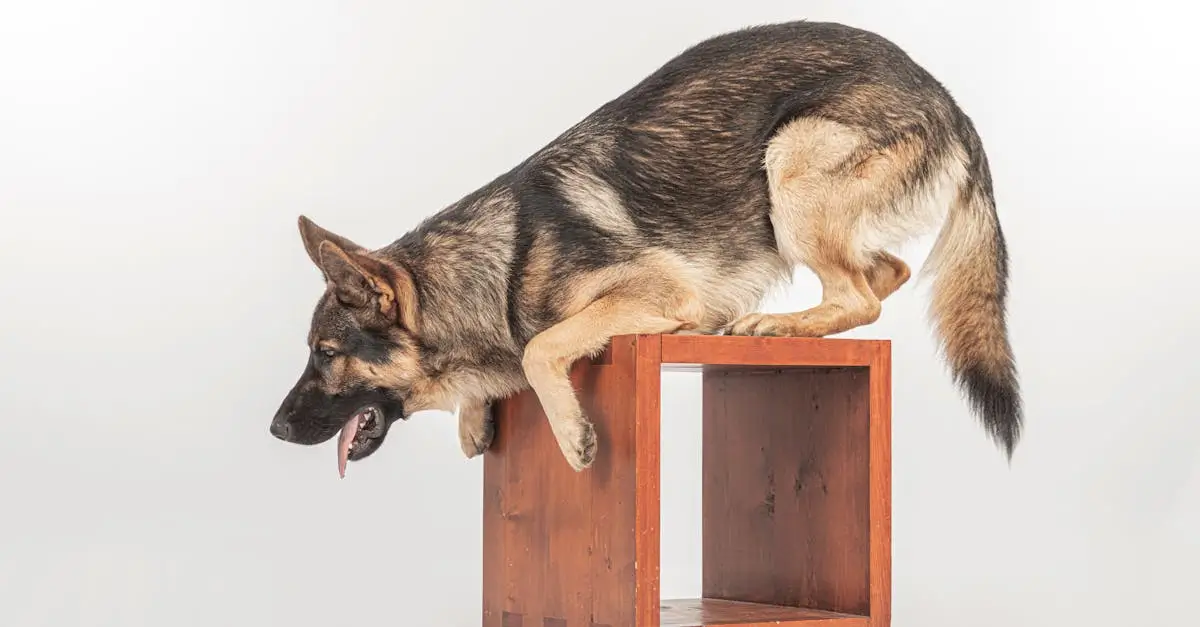
You can usually tell when training is working because life gets quieter. The lead stops feeling like a tow rope. The doorbell doesn’t trigger a full-body launch. Your pup can settle while you answer an email instead of pacing like it’s a lap around the track.
“Top performance” isn’t about turning every dog into a competition athlete or chasing a perfect dog. It’s about building repeatable habits, so your dog can make good choices even when your brain is tired and the environment is busy. That’s why a smart dog training plan looks less like a one-off fix and more like a system you can keep up for months.
If you’re comparing options, it helps to see what a solid dog training program looks like. training program actually includes, how a trainer measures progress, and what you should practice at home between training sessions. For a quick overview of how structured options can look, the training service page lays out common formats like day training and board and train options in one place.
Before you spend time and money, get clear on what you’re trying to improve: basic manners, lead skills, confidence around new environments, or behavior modification for something more intense. That clarity is what separates “we tried a few things” from effective training that sticks.
Key Takeaways
- Performance comes from consistency, not intensity: short reps beat marathon drills.
- Reward-based training methods lower stress and speed up learning, according to veterinary behavior organizations and certified professional dog trainers.
- A good dog training program should focus on positive training techniques. dog trainer gives you clear criteria, homework, and proof of progress you can repeat at home.
- Match the format (private coaching, group class, or a structured dog training program board and train program) to your schedule and your dog’s behavior.
- The goal is a well-behaved dog you can live with comfortably, not a robotic routine.
What “performance” means in everyday dog training
Let’s translate “performance” into plain language: your dog can do the skill when it matters. Sit means sit when the delivery person shows up. Recall means “come” even when another dog is sprinting by. Loose-lead walking works on your street, at the park, and outside a coffee shop.
That kind of reliability is built with three levers: clear reinforcement, smart repetition, and distractions added slowly by expert trainers. Veterinary behavior groups note that reward-based learning offers strong results with less risk of harm than aversive techniques. That’s the heart of positive reinforcement training, and it’s consistent with the American Veterinary Society of Animal Behavior’s guidance on humane training. If you like seeing the “why” behind the approach, read the AVSAB humane dog training statement.
Here’s a practical example. If your dog behavior issue is pulling, you don’t just correct the pull and hope. You teach a replacement: check in with the handler, return to position, earn a reward, repeat. You also manage the environment, choosing a lower-distraction route first. Over time, your dog learns that staying close pays, and pulling doesn’t. That’s training specific thinking: define the behavior you want, make it easy to succeed, then raise the bar.
Build a training plan that works in the real world
Most people get stuck because they overbuild the plan. They buy gear, watch videos, try six cues, and then the week gets busy. Better approach: pick three core training skills and practice them in tiny doses.
Start with a simple weekly cadence:
- Two short “skill sessions” on weekends (10 minutes each)
- Three weekday micro reps (2–3 minutes) folded into your routine
- One “field trip” session where you practice around new distractions can enhance your dog training program.
Now choose the skills. For most dogs, “performance basics” look like basic obedience skills.
- leash training is essential for building a strong relationship with your dog. for calm walking (loose lead, auto check-ins)
- A “settle” routine so your dog can be calm at home
- Recall for safety
- A polite greeting routine to reduce jumping
If you have a reactive dog, focus less on obedience tricks and more on emotional skills: distance, calm exposures, and teaching “watch me” under threshold. For an aggressive dog, you’re in higher-stakes territory. You’ll need management first (muzzles, barriers, safe setups) and a professional plan tailored to triggers, because guessing can backfire.
One tip that helps a dog parent stay consistent: keep a “success log.” Write down where you practiced, the distraction level, and whether your dog succeeded 8 out of 10 reps. If you only remember the worst moments in your training, you’ll think nothing is changing in your relationship with your dog. The log keeps your expectations grounded and helps a certified dog trainer adjust the plan.
Also, plan around your dog’s needs, including breed tendencies. A herding breed may need more impulse-control reps, while a scent hound often needs extra recall work in safe areas. This is one of the easiest ways to improve your training experience without changing your whole schedule.
Choose the right format: private coaching, classes, or board-and-train
There’s no single best dog solution. The right fit depends on your schedule, your dog’s needs, and how much support you want. A good training center will help you choose based on the behavior in front of you, not on a one-size pitch.
A class format works well for dogs that are friendly but easily distracted. You get built-in socialization, and you learn around other dogs without having to create the setup. It’s also a good choice for a new dog owner who wants structure and accountability.
Private coaching is better when the behaviors are specific to your home environment: door manners, crate routines, household rules, or settling around kids. It’s also useful when you have a rescue dog with unknown history and you’re still learning what triggers stress. If you prefer one-on-one, ask whether a private lesson with a certified professional dog trainer includes written homework and short videos, so you can repeat the reps on your own.
A board-and-train option can be helpful when you need concentrated repetition and the household can’t currently provide it. But it’s not “send the dog away and come back to a trained robot.” You still need a handoff lesson and a maintenance plan. That’s why you should ask about ratios, rest schedules, and how owners are coached at pickup in a top dog training program. (This is where certified trainers and transparent reporting matter.)
Look for a program that’s clear about methods. Veterinary behaviorists have cautioned that aversive practices can create stress and welfare concerns, especially when used as quick fixes. The AVMA has covered this issue directly; see AVMA’s reporting on aversive dog training practices.
Also, don’t ignore the logistics. If you’re using a top dog training method training facility or daycare, ask about health rules, spacing, and how dogs are grouped. A well-run dog daycare can help some dogs practice calm play and recover with structured breaks, but it can overwhelm a sensitive small dog if the environment is too chaotic. The right setup is part of training and care, not an afterthought.
Train the dog you have: practical drills for common goals
Here are a few drills that consistently improve behavior when done with good timing and realistic expectations. Think of these as “default behaviors” you can teach your dog to choose automatically.
1) Loose lead patterning
Pick a low-distraction route. Mark and reward your dog for returning to your side. If your dog forges ahead, stop and wait for the line to soften, then continue. This is slow at first, but the repetition teaches the rule without a constant tug-of-war.
2) Doorway calm routine
Before you open the door, ask for a sit. If your dog breaks position, the door closes. When your dog holds position for two seconds, open it again. You’re teaching your dog that calm behavior makes the fun thing happen. It’s a clean, repeatable approach to dog manners that changes outcomes without drama.
3) Settle on a mat
Create one clear spot (bed, mat). Reward your dog for stepping onto it, then for lying down, then for staying put while you move. This is a powerful skill for dogs that struggle to switch off and improve their relationship with your dog. It also supports care and training because it reduces household friction: fewer pacing loops, less demand barking, fewer “hovering” moments.
4) Reactivity “distance wins” reps
For reactivity, don’t start next to triggers. Start far away, where your dog can notice without exploding. Reward for looking, then turning back to you. As your dog improves, decrease distance gradually. If your dog goes over threshold, increase distance and try again. This is canine training that respects the nervous system.
If your goal is a recognized manners framework, the canine good citizen evaluator pathway can be a useful benchmark for polite skills in public. The American Kennel Club describes the CGC as a 10-skill test covering handling, polite greetings, and everyday manners. Use it as a checklist for what to practice, not as a label to chase. Here are the CGC program details.
The maintenance part most people skip
The fastest way to lose progress is to stop practicing once things feel better. Instead, switch to maintenance: keep rewards unpredictable, use real-life rewards (sniffing, greeting, going out the door), and schedule mini refreshers.
A simple maintenance plan looks like this:
- One “new environment” practice per week
- Two skill refreshers during the week
- One longer session every other weekend
That’s not glamorous, but it’s how training dogs stays stable during life changes, travel, and busy seasons. It also helps you bond with your dog, because you’re practicing cooperation, not constant correction.
This is also where many people get the most value from professionally training: you’re learning how to maintain, not just how to start. Owners who stick with maintenance tend to feel like they’re professionally training dogs in their own home, even after the formal program ends.
For dogs with job-style goals, the basics still matter. Service dog training and therapy dog preparation both rely on steady dog obedience, calm handling, and distraction-proof routines. The same goes for service dogs that support mobility or psychiatric tasks, and for canine companions that work in community settings. Even for training pets with no “job,” these foundations make daily life easier.
FAQs
How long does it take to see results with professional dog training?
You can often see small improvements in 1–2 weeks if you practice daily micro reps, but reliable habits take longer. Most dog training services aim for 6–12 weeks of consistent work. Ask your trainer what “progress” looks like (frequency, duration, distraction level) so you’re not guessing.
Is puppy training different from adult training?
Yes. With a certified professional dog trainer, you can develop a customized training plan. puppy, you’re building foundations: social routines, bite inhibition, and simple habits like lead skills and calm greetings. Adult dogs can learn the same skills, but you may spend more time changing existing habits and managing distractions. Either way, the earlier you set routines, the easier it gets.
What should I look for in best dog trainers?
Look for clear criteria, consistent communication, and a plan you can follow at home. The best dog trainers don’t just work the dog, they coach the handler and adjust based on real outcomes. Ask how they tailor methods to the dog in front of them.
What’s the difference between professional dog trainers and hobby trainers?
Professional dog trainers run structured plans with measurable goals and a repeatable process for follow-through. A hobby trainer may have good instincts, but often lacks a formal structure for troubleshooting, documentation, or long-term maintenance. If you’re paying for results, structure matters.
When do I need obedience training vs behavior change work?
If you’re dealing with everyday manners, obedience training is usually the right starting point. If the issue involves fear, reactivity, aggression, or panic, you’re often dealing with emotions, not stubbornness. That’s where a step-by-step plan with management and gradual exposure is more appropriate.
Should I choose a board-and-train or weekly coaching?
Choose based on your constraints and your dog’s needs. Board-and-train can accelerate repetition, but it still requires owner follow-through at home. Weekly coaching is usually better if you want practice in your real environment and ongoing feedback.
Do dog sports help with obedience?
They can. Activities like agility training can improve focus and teamwork, but they don’t automatically fix real-world manners. If you try dog sports, pair them with dog obedience training and calm behaviors outside the sport context.
Conclusion
Strong training isn’t a single method or a one-time fix. It’s a repeatable system that helps every dog practice the right behavior in the places you actually live and walk. Keep the plan small, teach your dog what to do (not just what to stop), and treat consistency as the strategy.